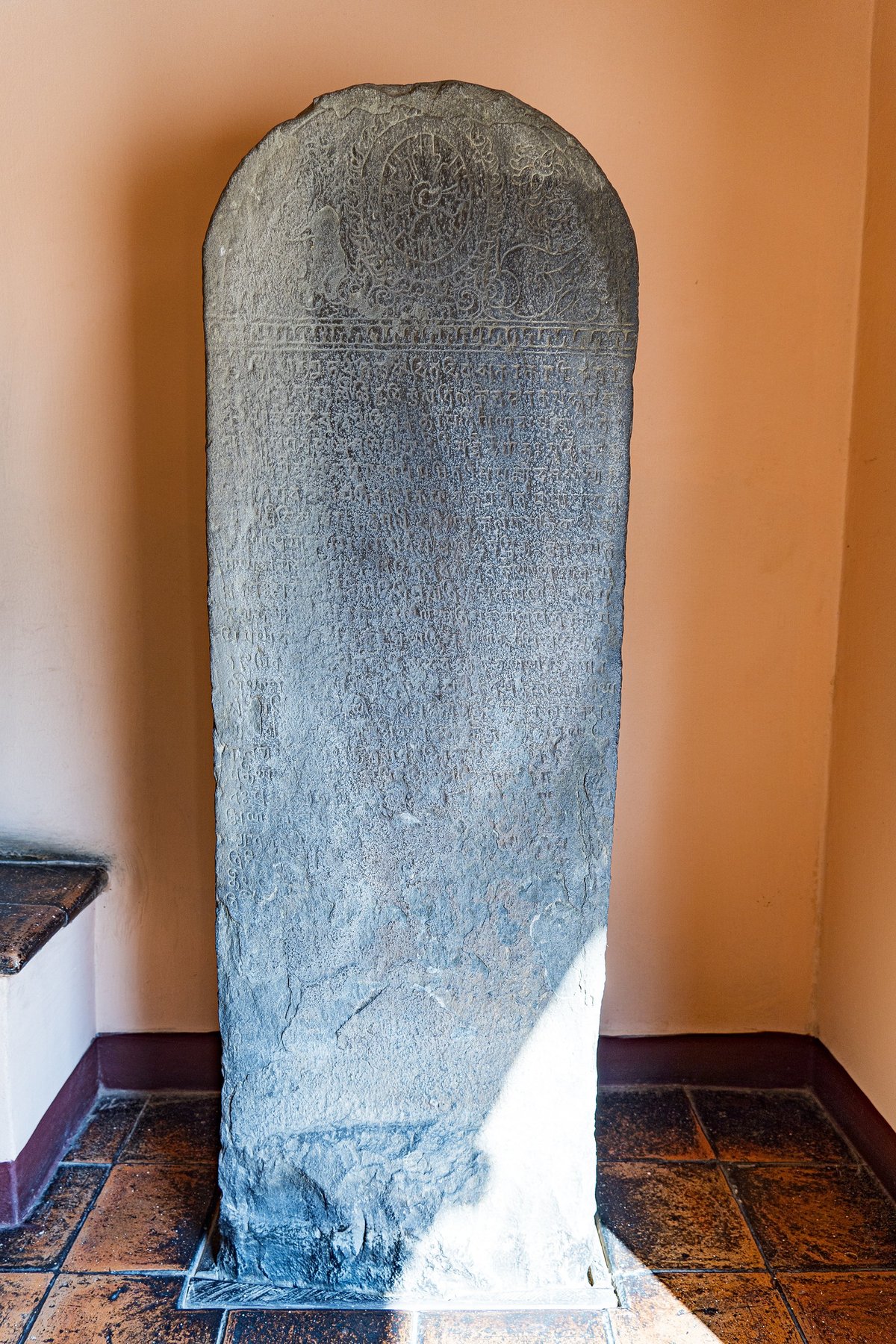
Imagine holding a faded, century-old document in your hands – perhaps a ship’s manifest, a census record, or a baptismal register. Within its fragile pages are not just names, but echoes of lives lived, stories waiting to be rediscovered. This is the essence of Historical Record Name Extraction & Indexing, a monumental effort that transforms unsearchable historical archives into accessible digital pathways, ultimately unlocking countless ancestry stories for generations worldwide.
Without this painstaking process, the vast majority of our historical records – those precious windows into the past – would remain locked away, effectively invisible to anyone without the time, resources, or specialized skills to manually comb through millions of documents. It's the critical bridge between raw historical data and the genealogist's eureka moment.
At a Glance: What You'll Discover
- The "Why": Understand the fundamental purpose and profound impact of extracting and indexing names from historical records.
- A Rich History: Learn how this global effort evolved from manual transcription to advanced digital workflows, pioneered by organizations like the LDS Church's Family History Department.
- The Process Revealed: Get a clear, step-by-step breakdown of how millions of names move from dusty archives to searchable online databases, including the role of AI and human volunteers.
- Challenges & Solutions: Explore the complexities of deciphering old handwriting, navigating language barriers, and ensuring accuracy in a global context.
- Practical Search Tips: Discover how to leverage indexed records to maximize your genealogical research and find your own ancestors.
- The Human Element: Appreciate the vital role of dedicated volunteers and the spirit of collaboration that drives this massive undertaking.
The Ancestry Gold Rush: Why Every Name Matters
Every person who has ever lived leaves a trace. For genealogists and family historians, these traces often manifest as names embedded in vital records, census forms, military rosters, and church registers. But a name on an untranscribed microfilm reel, or a handwritten entry in an unindexed ledger, is like gold buried deep underground – valuable, but inaccessible.
Historical record name extraction and indexing is the modern-day prospecting mission. It's the systematic process of identifying, transcribing, and organizing key information – primarily names, but also dates, places, and relationships – from original historical documents. This data is then compiled into searchable databases, transforming static records into dynamic tools that power billions of online searches every year.
Think about your own family tree. Each branch, each leaf, represents an individual with a unique story. Without accurate extraction and indexing, finding those individuals would be a Sisyphean task, making meaningful genealogical research virtually impossible for most. This work isn't just about data entry; it's about connecting the past to the present, one name at a time.
Decades of Dedication: The Roots of Name Extraction
The organized, large-scale effort to extract names from historical records has a fascinating and deeply purpose-driven history. At its heart lies the doctrine of The Church of Jesus Christ of Latter-day Saints (LDS Church), which holds that families can be united eternally and that temple ordinances can be performed for deceased ancestors. This belief spurred a monumental undertaking to identify ancestors through their records.
Pioneering the Path: Early Initiatives
The LDS Church's Family History Department initiated its first formal name extraction program, "Records Tabulation," in 1961. This groundbreaking project focused on systematically transcribing names, dates, and places from filmed English parish registers – a rich source of genealogical data. The goal was clear: to identify ancestors for whom Church members could perform temple ordinances.
As the scale of the task became evident, the methods evolved:
- 1978: Stake Record Extraction: This program decentralized the effort, deploying extraction activities to local Church centers ("stake centers") worldwide. This allowed local Church members to directly participate in the transcription process, dramatically expanding reach. Heavily extracted regions included England, Mexico, Germany, Scotland, Finland, Sweden, Norway, and Denmark, among others. Between 1961 and 1989 alone, over 100 million names were meticulously copied.
- 1986: Family Record Extraction Program: Recognizing the efficiency of home-based work, this initiative provided extractors with paper photocopies of records to transcribe at home. The transcribed data was then entered into personal computers at stake centers and submitted on diskettes to a central database in Salt Lake City. This marked a significant step towards leveraging personal technology for a global genealogical effort.
The Original Workflow: Precision in a Pre-Digital Age
The early extraction process, though analogue, was remarkably robust and focused on accuracy:
- Microfilm to Cards: Microfilm reels containing historical records were sent to stake centers. Extractors would then transcribe information (names, dates, places) onto specially designed index cards.
- Data Entry & Centralization: Data entry workers at regional centers would then input this information from the cards onto computer diskettes. These diskettes were then shipped to a central database in Salt Lake City.
- Accuracy through Duplication: To minimize errors inherent in manual transcription, a critical safeguard was implemented: two independent transcriptions were made for each record. These two versions were then compared, and any discrepancies were reviewed and resolved, ensuring a high level of accuracy.
- Public Access: The extracted names were compiled into the Church's International Genealogical Index (IGI), becoming a foundational resource for genealogists globally. The original source records were listed in the Parish and Vital Records Listing. Alphabetized printouts of these indexes were made available for research at the Family History Library in Salt Lake City and its branch centers worldwide, providing unprecedented access to genealogical data.
This historical context is crucial, as it lays the groundwork for the modern, digitized, and crowdsourced approach we see today.
From Paper to Pixels: How Historical Records Become Searchable
While the foundational principles of extraction and indexing remain the same, the methods have undergone a dramatic transformation. Today, platforms like FamilySearch Indexing (sponsored by the LDS Church) lead the charge, making historical records easily discoverable online. Since 1921, millions of individuals have connected with their ancestors through records made searchable by dedicated volunteers.
The modern indexing process is a streamlined, four-step workflow, leveraging both advanced technology and indispensable human effort:
Step 1: Digital Capture – The Eyes of History
The journey begins long before a name is ever typed. Trained camera operators travel the globe, entering libraries, archives, and government offices to capture high-resolution digital images of historical records. From dusty ledgers in European towns to birth certificates in South American cities, these operators carefully photograph every page, preserving the original documents in digital form. This initial capture is foundational, creating the raw material for all subsequent steps.
Step 2: Smart Transcription – AI and Software Take the First Pass
Once captured, these digital images undergo a sophisticated process. FamilySearch employs specialized software, increasingly augmented by cutting-edge AI technology, to scan these images. This technology attempts to read and transcribe key details like names, dates, and places into a searchable database. Think of it as an incredibly diligent, high-speed secretary, but one that sometimes struggles with faded ink or idiosyncratic handwriting. While AI is becoming incredibly powerful, especially with printed texts, historical handwritten documents still present unique challenges that require a human touch.
Step 3: Human Verification – The Volunteers Step In
This is where the global community truly shines. After the initial technological pass, the partially transcribed data and the original record images are presented to thousands of dedicated volunteers worldwide. These volunteers, often with a passion for family history, review and verify the machine's transcription against the original image. They correct errors, decipher difficult handwriting, and ensure accuracy, often reviewing each record multiple times. This collaborative human input is absolutely vital for overcoming the limitations of technology and ensuring the integrity of the data. This crucial step directly addresses potential inaccuracies and is a cornerstone of trustworthy genealogical data.
Step 4: Searchable Access – Unlocking the Stories
Once the records have been captured, transcribed by technology, and meticulously verified by human volunteers, they are published. Individuals can then visit platforms like FamilySearch.org and quickly search for records, finding new family details with unprecedented ease. What once might have taken weeks of travel and hours of squinting at microfilm can now be done in minutes from a home computer. This searchable access is the ultimate goal, transforming abstract data into tangible connections.
This modern, hybrid approach of technology and human diligence ensures that the maximum number of records are processed efficiently, while maintaining the highest possible accuracy, fulfilling the vision that began with paper index cards and progressed through microfilm and floppy disks.
The Unsung Heroes: The Power of Volunteer Indexing
At the heart of modern name extraction lies a global army of volunteers. These individuals, from all walks of life, dedicate their time and keen eyes to the often-challenging task of deciphering centuries-old handwriting, understanding foreign languages, and ensuring the accuracy of countless entries. Without their tireless efforts, the sheer volume of historical records awaiting transcription would overwhelm any automated system.
Consider the complexity: a volunteer might be reviewing a 19th-century Norwegian census, an 18th-century Mexican baptismal record, or a 20th-century US draft registration. Each document presents its own unique challenges—from ornate scripts to faded ink, from variant spellings to regional dialects. The training and dedication required to consistently extract accurate information are immense.
Every time you search for an ancestor and quickly find their birth certificate or marriage record online, there’s a high probability that a volunteer's careful work made that discovery possible. Their commitment isn't just about data entry; it's about connecting the human family, one name, one date, one place at a time. It’s a testament to the power of collective effort, driven by a shared desire to preserve and share history.
Beyond the Basics: Techniques for Accurate Name Extraction
While the workflow simplifies the process, extractors—whether human or AI—face significant hurdles. Understanding these challenges can deepen your appreciation for the indexed data and inform your own research strategies.
Common Challenges in Historical Record Transcription:
- Illegible Handwriting: This is perhaps the biggest culprit. Clerks, priests, and registrars of yesteryear had wildly varying penmanship. Some hands are beautiful copperplate, others a nearly indecipherable scrawl.
- Variant Spellings: Before standardized spelling, names were often spelled phonetically. "Smith" could be "Smyth," "Schmidt," "Smithe," or even "Smit." This is compounded by clerks recording names they heard, not always as the person spelled it.
- Language Barriers: Records exist in countless languages. An indexer needs to understand basic terminology and naming conventions in languages ranging from Latin and German to Spanish and Finnish.
- Inconsistent Record Keeping: Not all records are complete or follow a consistent format. Gaps, missing pages, water damage, or abbreviated entries are common.
- Cultural Naming Conventions: Different cultures have different naming traditions (e.g., patronymics, matronymics, multiple given names, inherited surnames, married names). Understanding these is crucial for correct extraction.
- Abbreviations and Symbols: Old documents often use shorthand, symbols, or Latin abbreviations that are no longer common.
Best Practices for Extractors and Indexers:
To counter these challenges, experienced extractors employ specific strategies:
- Context is King: Always look at the surrounding entries. If an unfamiliar name or word appears repeatedly, its meaning might become clearer.
- Master the Script: Becoming familiar with common historical scripts and letter formations for the specific time period and region is essential. Practice helps discern an 's' from an 'f', or an 'm' from an 'n'.
- Understand Naming Patterns: Knowing typical given names and surnames for a specific era and place helps identify probable spellings even when text is unclear.
- Use Reference Materials: Historical gazetteers, surname dictionaries, and guides to palaeography (the study of ancient writing) are invaluable.
- Focus on Certainty: If a word or name is truly illegible, it's better to mark it as such rather than guess, preserving data integrity.
- Double-Check and Compare: The original practice of two independent transcriptions and comparison is still a gold standard for accuracy in professional indexing projects.
These practices ensure that the names you find in the International Genealogical Index (IGI) and other databases are as accurate as humanly and technologically possible. The Parish and Vital Records Listing, often consulted alongside the IGI, provides critical context by linking back to the original source, allowing researchers to verify details themselves.
Maximizing Your Search: Finding Your Ancestors Through Indexed Records
Now that you understand the immense effort behind these databases, let’s talk about how you can effectively use them to your advantage. Finding an ancestor isn't always as simple as typing a name into a search bar.
Smart Strategies for Your Searches:
- Start Broad, Then Narrow: If you're unsure of a spelling, start with a broader search (e.g., "Smyth*" to catch variations like Smythe, Smyth, Smith). Then, add details like birth year ranges or specific locations.
- Utilize Wildcards and Fuzzy Logic: Most genealogical search engines offer wildcard characters (like
*for multiple characters,?for a single character) and fuzzy search options to account for spelling variations. Learn how your chosen platform implements these. - Search for Relatives: Sometimes, your direct ancestor might be hard to find, but their siblings, parents, or even neighbors might be easier. Find one, and you might find them all.
- Understand Database Limitations: No database is complete. If you don't find someone, it doesn't mean they didn't exist or that the record doesn't exist; it might mean the record hasn't been indexed yet, or your search terms aren't quite matching.
- Cross-Reference: Always cross-reference information found in one indexed record with others. Does a census record confirm a birth date found in a baptismal record? Consistency builds confidence.
- View the Original Image: Whenever possible, always click through to the original digital image of the record. This allows you to:
- Verify Transcription: Check for any transcription errors or misinterpretations.
- Extract More Information: Often, only key data points are indexed, but the original record might contain valuable context, names of witnesses, occupations, addresses, or marginal notes that weren't captured.
- Understand the Context: Seeing the names of neighbors in a census or other family members in a church register can provide crucial clues.
As you dive deeper into your family history, you might find yourself wishing for tools to practice and refine your understanding of historical names and handwriting. Tools that help you Generate custom name tracing worksheets can be incredibly useful for developing your skills in deciphering various historical scripts and becoming more adept at recognizing different name formations. This practice can significantly improve your ability to quickly spot and interpret names in actual historical documents, making your research more efficient and successful.
By employing these strategies, you're not just searching; you're actively engaging with the historical record in a more sophisticated and effective way, increasing your chances of finding those elusive ancestral connections.
The Future of Family History: AI, Automation, and Accessibility
The field of historical record name extraction and indexing is constantly evolving. While human volunteers will always be critical for nuanced interpretation and verification, the role of artificial intelligence (AI) and machine learning is growing exponentially.
What's on the horizon?
- Advanced Optical Character Recognition (OCR): While traditional OCR struggles with handwriting, AI-powered solutions are rapidly improving their ability to "read" even the most challenging historical scripts, significantly speeding up the initial transcription phase.
- Handwriting Recognition (HWR): Specific HWR technologies are being developed to not just recognize characters, but to understand words and context within handwritten documents, further refining automated extraction.
- Semantic Analysis: Future AI systems may not just extract names, but also understand the relationships and events described in the text, creating richer, more interconnected data sets.
- Global Collaboration Tools: Enhanced online platforms will continue to make it easier for people worldwide to contribute, regardless of language or technical skill, fostering even greater global participation.
The ultimate goal remains the same: to make every historical record accessible and searchable to everyone, everywhere. This ongoing technological advancement, combined with the enduring dedication of volunteers, ensures that the future of family history research will be more powerful, inclusive, and exciting than ever before.
Common Questions & Misconceptions About Name Extraction
It’s natural to have questions about such a massive and complex undertaking. Let's tackle some common queries and clear up any misunderstandings.
Is Historical Name Extraction 100% Accurate?
No system involving human input and historical documents can claim 100% accuracy. While organizations like FamilySearch employ rigorous double-checking by multiple volunteers and advanced technological aids, human error, illegible handwriting, and ambiguous records mean that occasional errors can occur. The goal is exceptionally high accuracy (often 98%+), but perfection is unattainable. This is why always viewing the original record image yourself is a crucial best practice.
Is Name Extraction Only for Specific Religions or Groups?
Absolutely not. While programs like FamilySearch Indexing are sponsored by The Church of Jesus Christ of Latter-day Saints, the extracted data benefits everyone, regardless of their religious beliefs or background. The records indexed cover individuals from all walks of life, religions, and geographies. It is a universal resource aimed at helping anyone discover their family history.
Can I Contribute to This Effort?
Yes! If you have a passion for history, a keen eye for detail, and some free time, you can become a volunteer indexer. Platforms like FamilySearch Indexing offer free training and tools, allowing you to contribute from your own home. It's a rewarding way to give back to the genealogical community and directly help others find their ancestors.
Are All Historical Records Indexed?
Not yet. The sheer volume of historical records globally is staggering. While millions upon millions of records have been indexed, countless others are still waiting to be preserved digitally and made searchable. This ongoing effort highlights the need for continued volunteer involvement and technological innovation.
How Does AI Impact Job Opportunities for Genealogists?
Rather than eliminating jobs, AI in name extraction and indexing often enhances the work of professional genealogists. It automates the tedious, high-volume transcription tasks, freeing up genealogists to focus on higher-level research, analysis, and interpretation of records. AI serves as a powerful assistant, not a replacement.
Your Next Step: Contributing to and Benefiting from This Global Effort
The journey of historical record name extraction and indexing is a testament to human ingenuity, collaboration, and a profound desire to connect with the past. From the early days of "Records Tabulation" to today's sophisticated blend of AI and global volunteer networks, this work continually transforms the landscape of genealogical research.
If you've been inspired by the tireless efforts behind these massive databases, here’s how you can engage:
- Explore Your Own Ancestry: Dive into platforms like FamilySearch.org. Start with what you know and use the powerful search tools to uncover new branches of your family tree. Remember those smart search strategies we discussed – they'll be your best friends. As you piece together your family's narrative, you might even consider ways to Generate custom name tracing worksheets to help younger family members connect with their heritage and practice recognizing ancestral names.
- Become a Volunteer Indexer: If you have a few hours a week and enjoy detailed work, consider joining the ranks of volunteer indexers. It's a direct way to contribute to this global endeavor, making records accessible for countless others, and it often deepens your own understanding of historical documents.
- Support Archival Preservation: Advocate for and support institutions dedicated to preserving historical records. Digital preservation and indexing are vital, but so is the care and maintenance of the original physical documents.
- Share Your Discoveries: When you find an ancestor, share their story. Every name extracted and every story unlocked enriches our collective human history.
Historical record name extraction and indexing isn't just a technical process; it's a bridge across time, built by dedicated individuals and advanced technology, allowing us all to walk among the echoes of those who came before us. Take the next step, and discover the stories waiting for you. For those eager to enhance their genealogical skills and accuracy, a practical tool that allows you to Generate custom name tracing worksheets can be an invaluable resource.